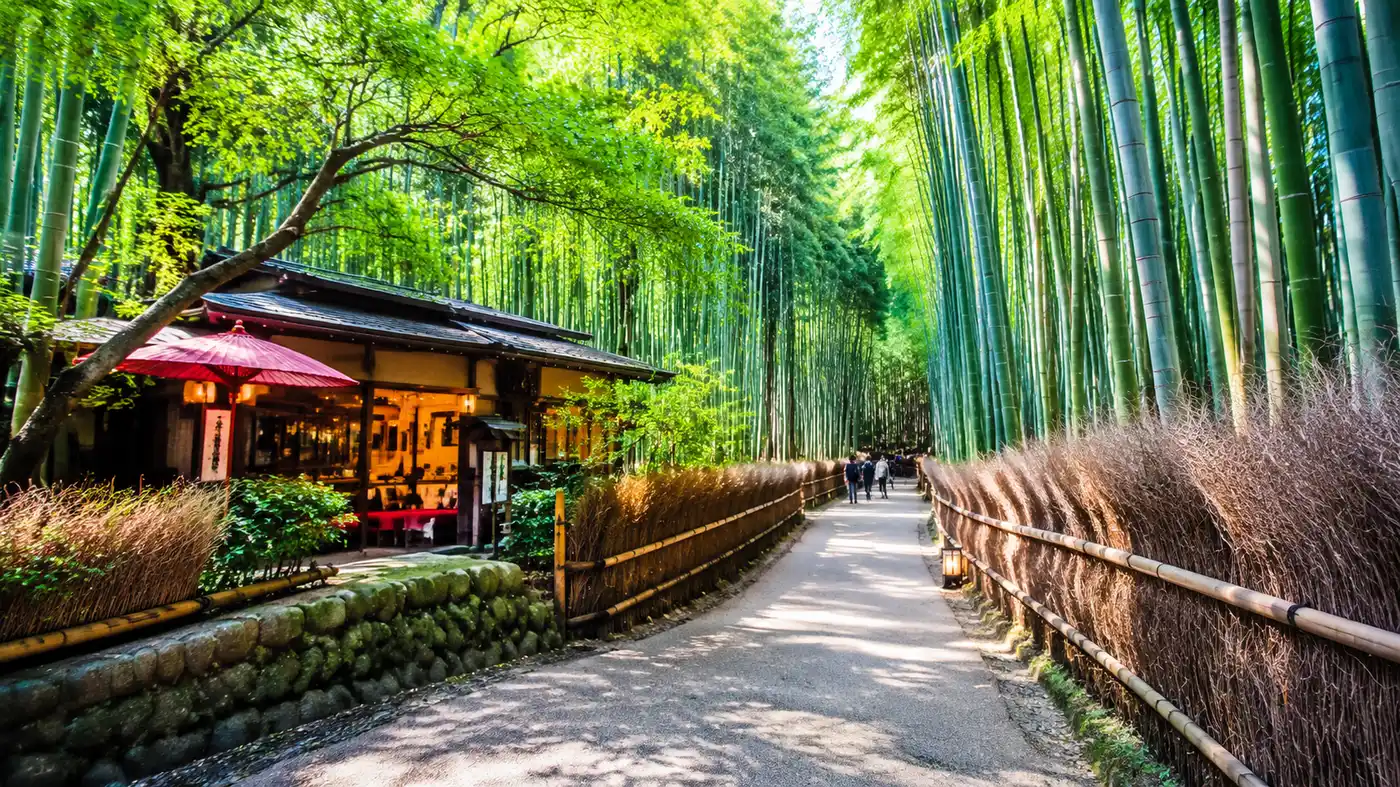
Arashiyama Restaurants & Hotels: Where to Eat and Stay
Arashiyama, with its iconic bamboo grove and serene temples, draws countless visitors every day. You wander through the towering stalks, maybe visit Tenryu-ji, then suddenly your stomach starts rumbling. Finding good food in Arashiyama can feel a bit overwhelming, especially when you are surrounded by tourist traps. Let's talk about the best restaurants Arashiyama offers, and where you might want to consider staying if you decide to linger. This guide isn't just about grabbing a quick bite. We'll dive into everything from casual lunch spots perfect for a day trip to more refined dining experiences that truly capture Kyoto's culinary spirit. Plus, I'll share some insights on hotels and traditional ryokan, helping you decide if an overnight stay in this beautiful district is right for your Japan itinerary.Book your arashiyama bamboo forest experience:
Powered by GetYourGuide
Lunch Arashiyama Style: Quick Bites and Local Flavors
Most people visit Arashiyama as a day trip from Kyoto, so lunch is the main meal they're thinking about. You'll find plenty of options, from simple noodle shops to places specializing in local tofu dishes. The area around Togetsukyo Bridge and the main street leading to the bamboo forest has the highest concentration of eateries. Expect crowds, especially between 12:00 PM and 2:00 PM. Sometimes it's better to eat a little early or late. My personal favorite for a quick, satisfying meal is usually a soba or udon shop. There are a few small, family-run places tucked away on side streets. They often have English menus, or at least pictures, so ordering isn't too hard. A bowl of hot tempura soba costs around 1,200 yen to 1,800 yen, which feels pretty reasonable for a tourist area. The broth is usually delicate, and the noodles are fresh. It's a comforting meal, especially on a cooler day.Pro tip: Many of the smaller, less obvious restaurants close for a break between lunch and dinner, often from about 3:00 PM to 5:30 PM. If you're planning a late lunch, double check their hours to avoid disappointment.
| Restaurant Type | Specialty | Approximate Lunch Price (JPY) |
|---|---|---|
| Soba/Udon Shop | Noodle soups, tempura | 1,200 - 2,000 |
| Tofu Specialty | Yudofu, various tofu dishes | 2,500 - 4,500 |
| Casual Japanese | Donburi, set meals (teishoku) | 1,500 - 3,000 |
| Street Food Stalls | Mochi, dango, snacks | 300 - 800 per item |
Beyond Lunch: Dinner and Refined Food in Arashiyama
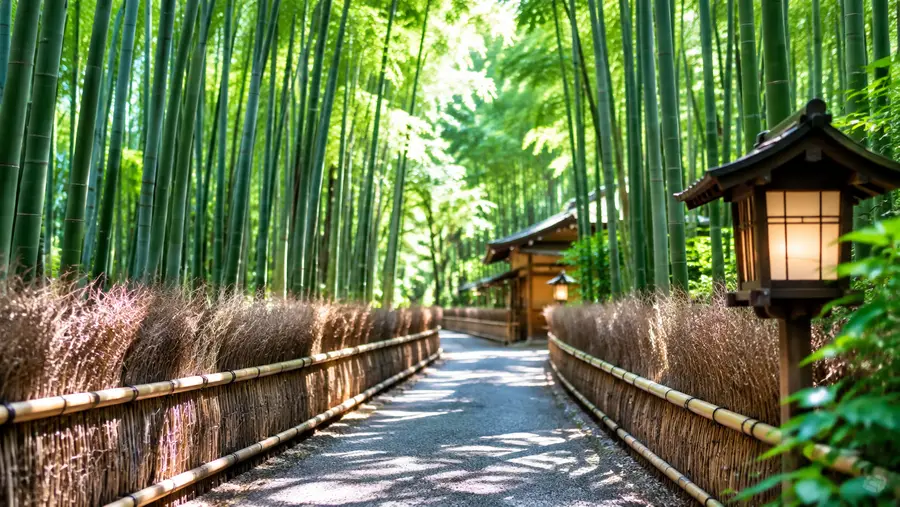
If you're staying overnight in Arashiyama, or just fancy a more relaxed and upscale meal after the day-trippers have left, your options open up. The evening atmosphere here is completely different from the daytime bustle. The streets quiet down, and the district takes on a serene, almost magical quality. This is when some of the best restaurants near Arashiyama Bamboo Forest truly shine. Many of the top ryokan also have excellent in-house restaurants that are open to non-guests, often specializing in multi-course kaiseki meals. These are artfully presented dishes, using seasonal ingredients, served in a specific order. It's not just a meal; it's an experience. Expect to pay anywhere from 8,000 yen to 20,000 yen or more per person for dinner at one of these places. Reservations are almost always essential, sometimes weeks in advance. I remember one time I tried to walk into a nice ryotei without a booking, and they politely turned me away. It was a bit embarrassing. You can also find some very good traditional Kyoto cuisine, known as Kyo-ryori, in standalone restaurants. These places often have beautiful gardens or views of the river. They're perfect for a special occasion. Sometimes they focus on specific ingredients, like river fish or seasonal vegetables. It's worth looking up reviews and menus online before you go, just to get a sense of the style and price point. For more ideas on what to explore in the area, you might want to check out our guide to Beyond the Bamboo: Things to Do in Arashiyama.Where to Stay: Arashiyama Hotel and Ryokan Options
Deciding whether to stay in Arashiyama itself or commute from central Kyoto is a common dilemma. Staying in Arashiyama offers a unique chance to experience the area without the crowds. You can visit the bamboo forest at dawn, when it's utterly peaceful, or enjoy an evening stroll along the river. It's a completely different vibe when the tour buses are gone. The main accommodation types you'll find are traditional ryokan and a few modern hotels. An Arashiyama ryokan stay is often considered a highlight of any trip to Japan. These inns offer tatami mat rooms, futon bedding, and often include exquisite multi-course dinners and breakfasts. Many also have private or communal onsen (hot springs) for guests. The service is usually impeccable, very attentive without being intrusive.Note: Some ryokan have strict check-in times, often between 3:00 PM and 6:00 PM, because they need time to prepare your dinner and futon. Arriving late without prior notice might mean missing out on your meal, so plan your arrival carefully.
Book your arashiyama bamboo forest experience:
Powered by GetYourGuide
Specific Hotel & Ryokan Recommendations
Let's talk about a few places that stand out, catering to different budgets and preferences.- Luxury Ryokan: Hoshinoya Kyoto is probably the most famous, and certainly the most exclusive. It's on the opposite bank of the Hozugawa River, only accessible by private boat. Rooms are stunning, and the kaiseki dinner is world-class. It's an unforgettable experience, but definitely a splurge, easily costing 100,000 yen or more per night.
- Mid-Range Ryokan: Ryotei Rangetsu offers a beautiful setting with views of the Togetsukyo Bridge. It combines traditional Japanese aesthetics with modern comforts. Their rooms are spacious, and the food is excellent. You're looking at around 30,000 to 60,000 yen per night here, depending on the season and meal plan.
- Modern Hotel: The Arashiyama Benkei is another solid choice, offering both ryokan-style rooms and some Western-style options. It's well-located and has its own hot spring baths. Prices are generally in the 25,000 to 50,000 yen range.
- Budget-Friendly: For something more economical, you might need to look slightly outside the immediate Arashiyama core, perhaps towards Saga-Arashiyama Station or even a short bus ride away. Guesthouses or smaller inns can be found for 10,000 to 20,000 yen. They might not have all the bells and whistles, but they offer a clean, comfortable place to sleep.
Practical Tips for Eating and Staying in Arashiyama
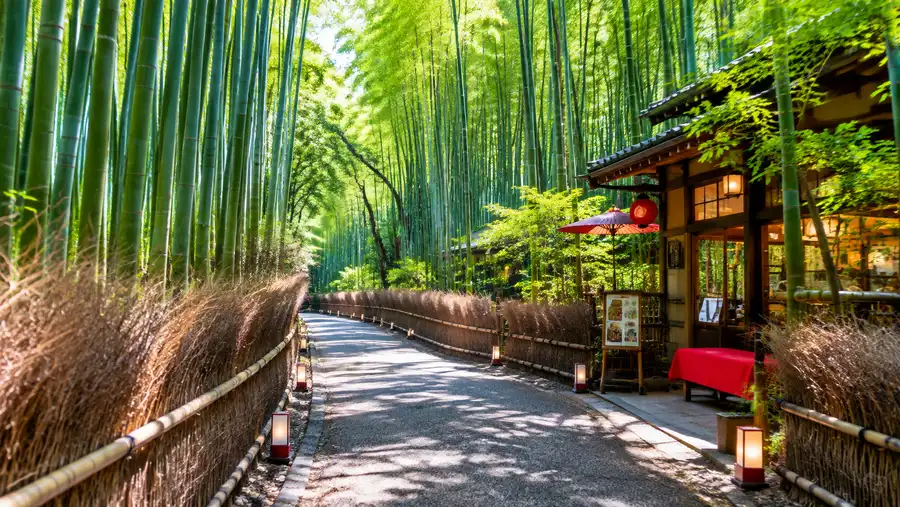
Planning your visit to Arashiyama, especially concerning food and accommodation, requires a little foresight. The area gets incredibly busy, so being prepared makes a huge difference. First, reservations. For any dinner plans, especially at nicer establishments or ryokan restaurants, booking ahead is non-negotiable. For lunch, unless it's a very specific high-end place, you can usually just walk in. However, expect to wait in line during peak hours. Some popular spots might have a digital queuing system, so look for a tablet near the entrance. You input your name and party size, and they'll call you when a table is ready. Getting around Arashiyama is mostly on foot, so comfortable shoes are a must. If you're staying overnight and plan to explore after dark, remember that many shops close by 5:00 PM or 6:00 PM. The main streets become much quieter. Transportation from Kyoto city center is straightforward; train lines like the JR Sagano Line and Hankyu Arashiyama Line connect directly. For detailed transport options and planning your day, our Arashiyama Bamboo Forest Itinerary has some great tips. When budgeting for your trip, remember that Arashiyama can be a bit pricier than other parts of Kyoto due to its popularity. Factor in higher costs for meals and accommodation, especially if you're aiming for a luxurious ryokan experience. There aren't many convenience stores in the immediate tourist core, so if you need snacks or drinks for later, it's best to buy them at Saga-Arashiyama Station. For more insights on dining options, especially the best restaurants Arashiyama has to offer, you can explore our full site at restaurants arashiyama.Quick Reference
- Lunch: expect crowds 12-2 PM.
- Dinner: reservations often required.
- Ryokan: traditional Japanese inns.
- Arashiyama is quieter after 5 PM.
- Walkable area, wear comfy shoes.
Book your arashiyama bamboo forest experience:
Powered by GetYourGuide
My Take on Arashiyama's Hospitality
Arashiyama is one of those places that truly transforms from day to night. During the day, it's a bustling hub of activity, with people from all over the world eager to see the bamboo. But when evening falls, a different kind of beauty emerges. The quiet, the soft glow from traditional lanterns, the sound of the river – it's something special. Deciding where to eat and stay here really shapes that experience. Whether you're just popping in for a delicious lunch or settling in for a luxurious ryokan stay, a little planning goes a long way. Make sure you explore beyond the obvious spots. You might just find your new favorite meal or a peaceful corner to unwind after a day of exploring.Read more about arashiyama bamboo forest.